

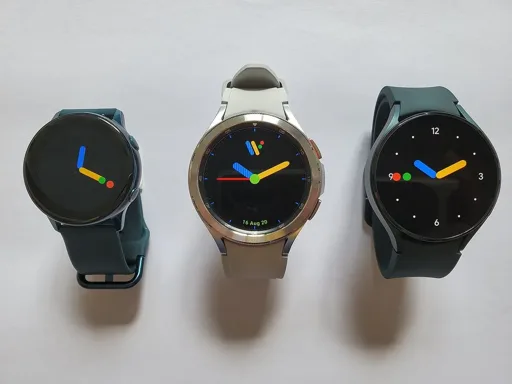
Digital wearables are increasingly used to collect continuous patient data in clinical research, yet questions persist about whether the devices meet the standards of scientific evidence and whether they can meaningfully change trial outcomes.
Digital wearables are increasingly used to collect continuous patient data in clinical research, yet questions persist about whether the devices meet the standards of scientific evidence and whether they can meaningfully change trial outcomes.
Then let’s talk numbers. The Apple Heart Study enrolled 419,000 people. Roughly 0.5 percent ever got a notification. Half a percent — that’s not screening, that’s a lottery ticket with a charging cable. And pulse oximeters already failed darker skin in 2020. Now the same sensors get strapped to a trial and everyone calls it rigor.